Styles, colours, sizes and materials calculated in one pass, with material shortages down about 60%
A contract manufacturer producing for several fashion brands standardised styles, colours and sizes into product variants. When an order changes, fabric, trim and packaging requirements are recalculated automatically: planners no longer rework Excel by hand, and purchasing and production work from the same data.
The company is a manufacturer providing production services to several apparel brands, organising production around each customer's styles, colours, sizes and delivery requirements.
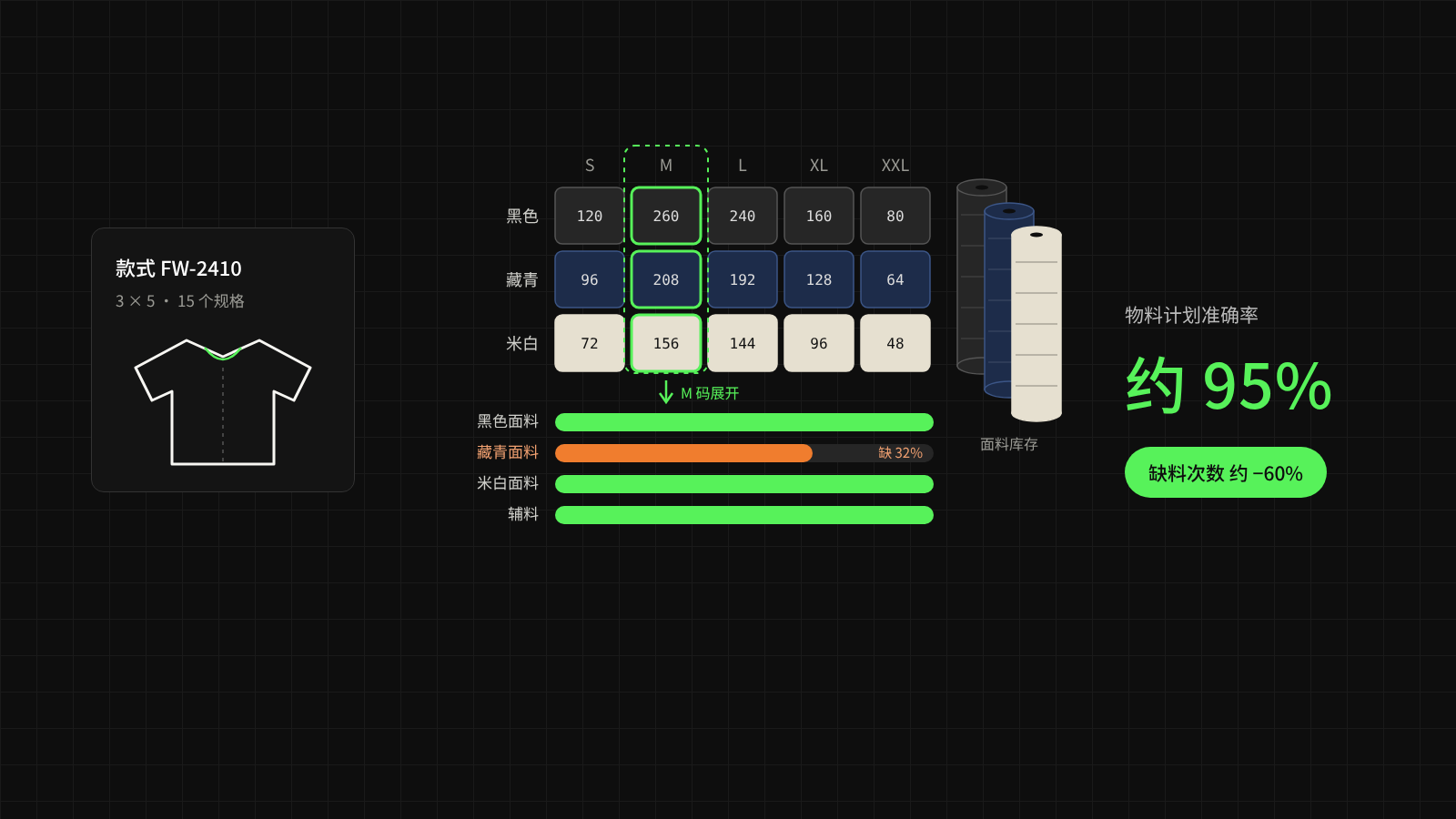
A single style can come in more than a dozen size and colour combinations, and different versions involve changes to fabric, trim and packaging requirements.
Although the company could record sales and purchase orders, style data, material requirements and production progress were maintained mainly in Excel.
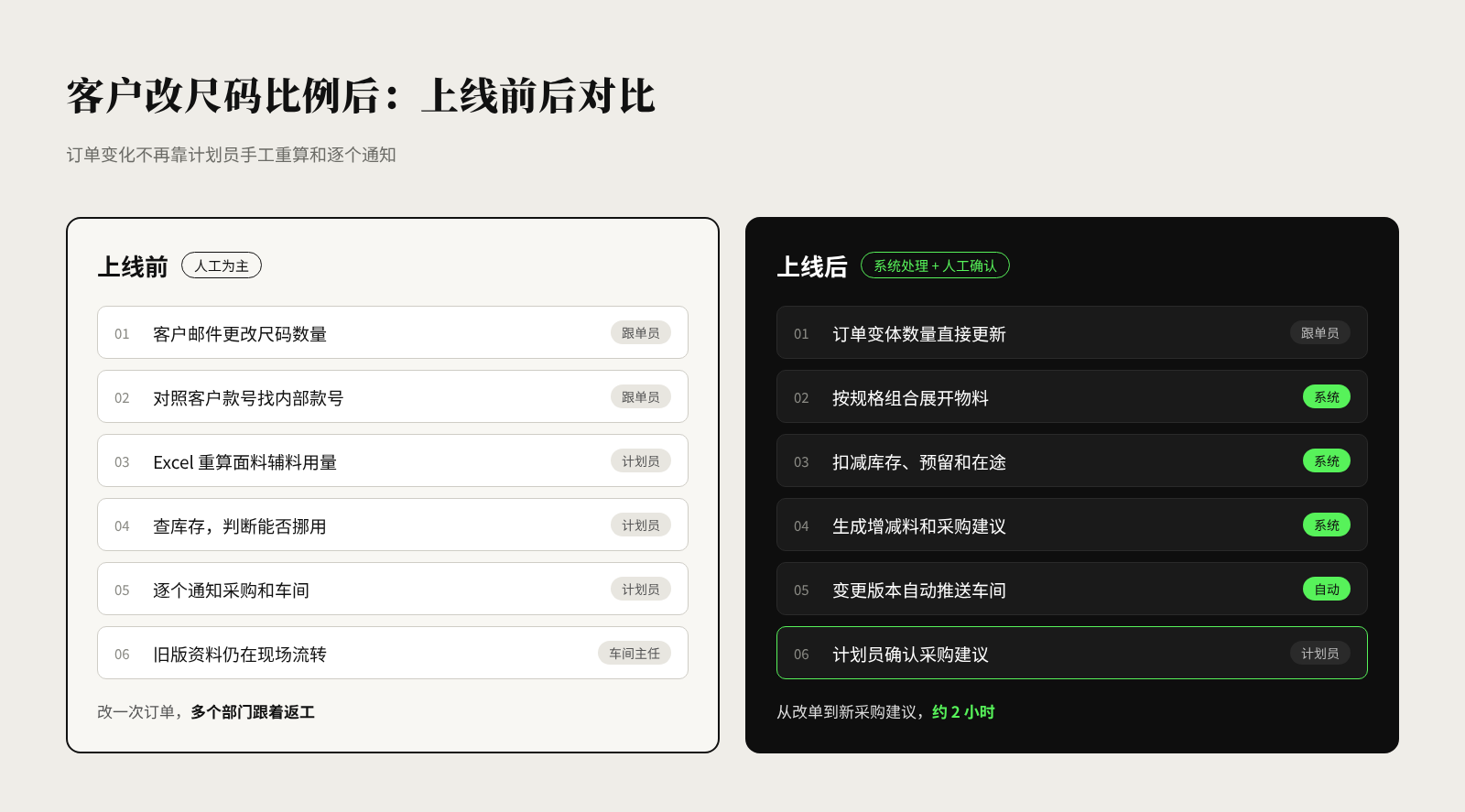
Whenever a customer changed its colour ratios or size quantities, planners had to recalculate material requirements and notify several departments.
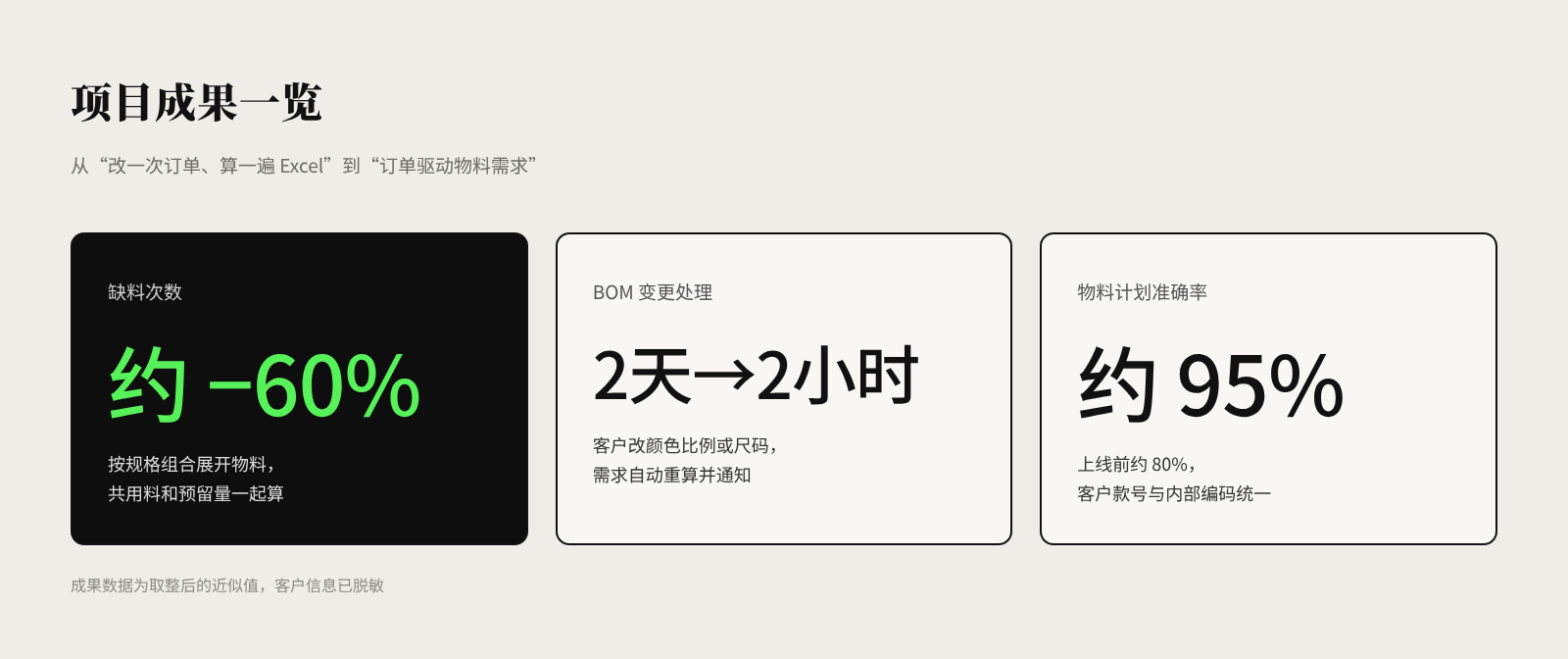
Results: material shortages approx. −60%; BOM change handling 2 days→2 hours; material planning accuracy approx. 95%
The challenge
Product specification data was scattered
Sales used customer style numbers, the technical team used internal style numbers, and purchasing managed materials by fabric or trim codes.
Without a single relationship between them, specification mismatches and purchasing errors were common.
Frequent order changes disrupted material planning
Different sizes and colours affect the consumption of certain materials.
When customer orders changed, the system could not promptly reflect the resulting increase or decrease in material requirements.
Materials shared across orders made stock hard to optimise
Some fabrics and trims could be shared across several orders, but planners found it hard to tell which materials were already reserved and which could be reallocated.
SHEPHARD's digital solution
After a customer changes its size ratio: before and after go-live
Step 1: Establish product variant management
Each style became a product master, with standardised product variants defined by attributes such as colour and size.
The mapping between customer style numbers, internal codes and supplier material codes was unified.
Step 2: Standardise BOMs and material versions
Bills of materials and actual consumption rules are maintained per product specification.
Product versions confirmed by the customer go through approval and effective-date control, so outdated technical documents are less likely to stay in circulation.
Step 3: Introduce order-driven material requirements planning
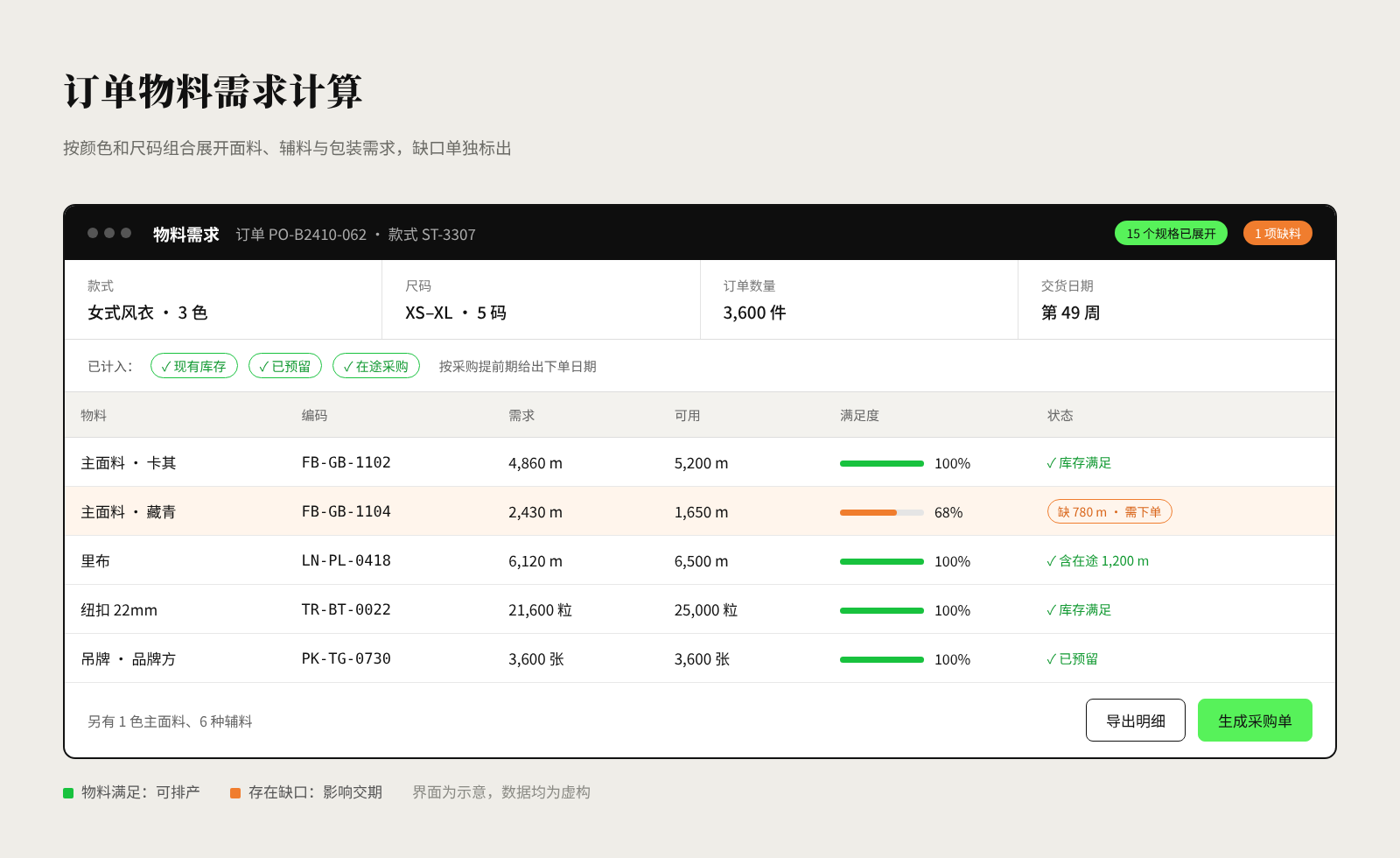
Fabric, trim and packaging requirements are exploded from the specific size and colour combinations in each customer order.
Material shortfalls are calculated from current stock, reserved quantities, open purchase orders and purchasing lead times.
Step 4: Connect purchasing, production and subcontracting
Orders requiring outsourced printing, embroidery or other processing have a clear subcontracting record.
Materials sent to subcontractors, processing progress, goods received back and quality inspections are all linked to the original production order.
Step 5: Build order fulfilment analytics
Production progress, material shortfalls and planning variances are analysed by customer, style, order batch and delivery date.
Critical materials and subcontracting milestones that could affect delivery dates are monitored closely.
Order material requirements calculation (illustrative interface; all data fictitious)
Implementation approach
We first unified product attributes and codes, then cleaned up the BOMs for typical styles.
One customer's order series was chosen to pilot material requirements planning and production tracking.
Once stable, the solution was gradually extended to complex product variants, subcontracting processes and stock optimisation strategies.
Business value
The company has cut the repeated back-and-forth and manual calculations caused by product version changes.
Purchasing, technical, production and sales teams now work from the same product and order data.
Results (approximate): Material shortages approx. −60%; BOM change handling 2 days→2 hours; material planning accuracy approx. 95%.
Metrics tracked on an ongoing basis: Material planning accuracy, number of material shortages, value of slow-moving stock, on-time order delivery rate, BOM change handling time.
What this case teaches us
The first problem complex manufacturers need to solve is the structure of their product data.
Only when products, specifications and material relationships are captured accurately can ERP and automation systems deliver their full value.
*To protect client confidentiality, company details in this case study have been anonymised; screenshots are illustrative and results are rounded approximations.*
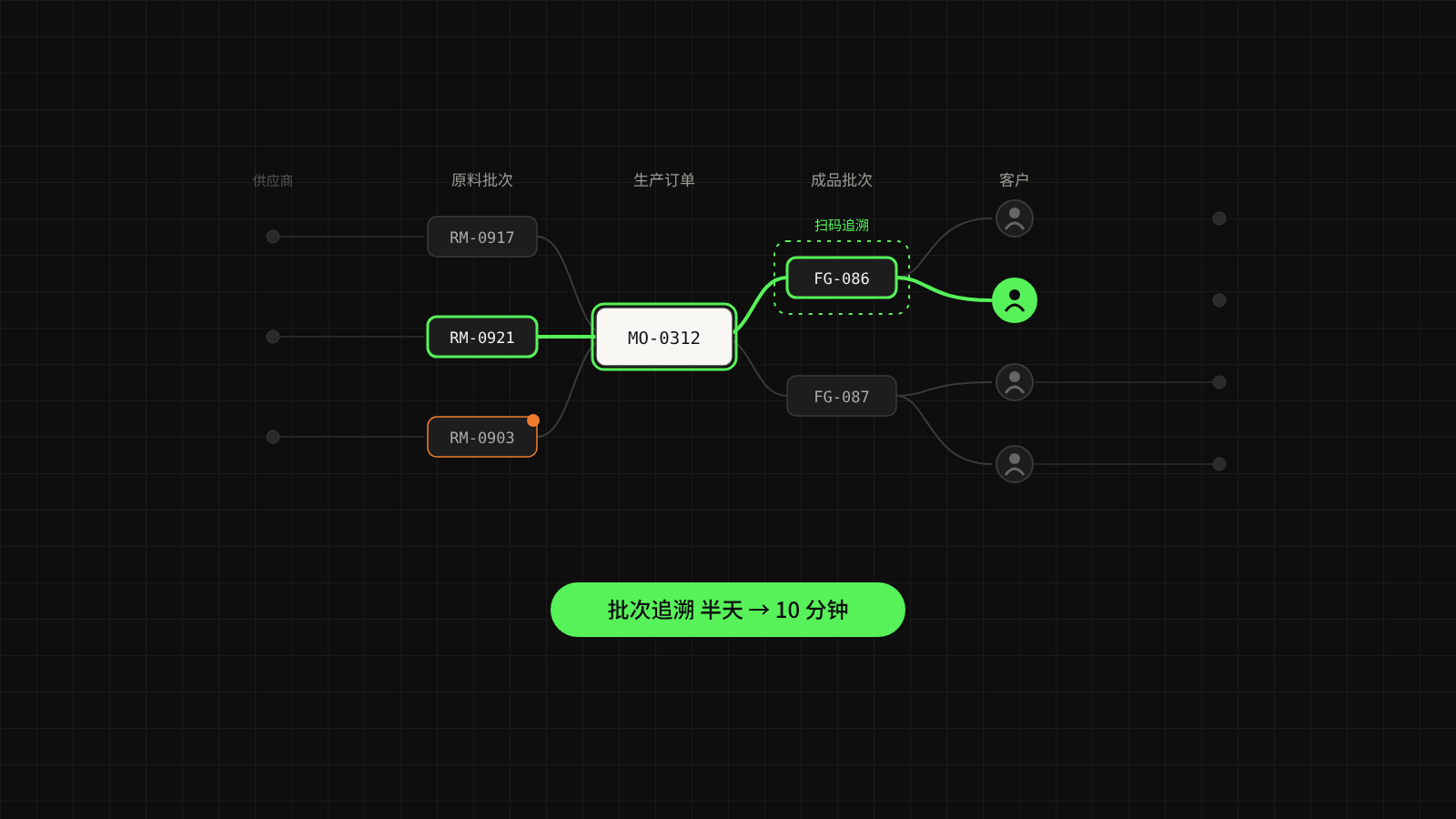
Batch Traceability Cut from Half a Day to 10 Minutes, with Every Batch Accounted For
A multi-category food manufacturer linked purchasing, production, warehousing and sales delivery into a single data chain. Any finished-goods batch can now be traced back to its raw material sources and forward to its customers, and batch traceability has dropped from about half a day to under 10 minutes.
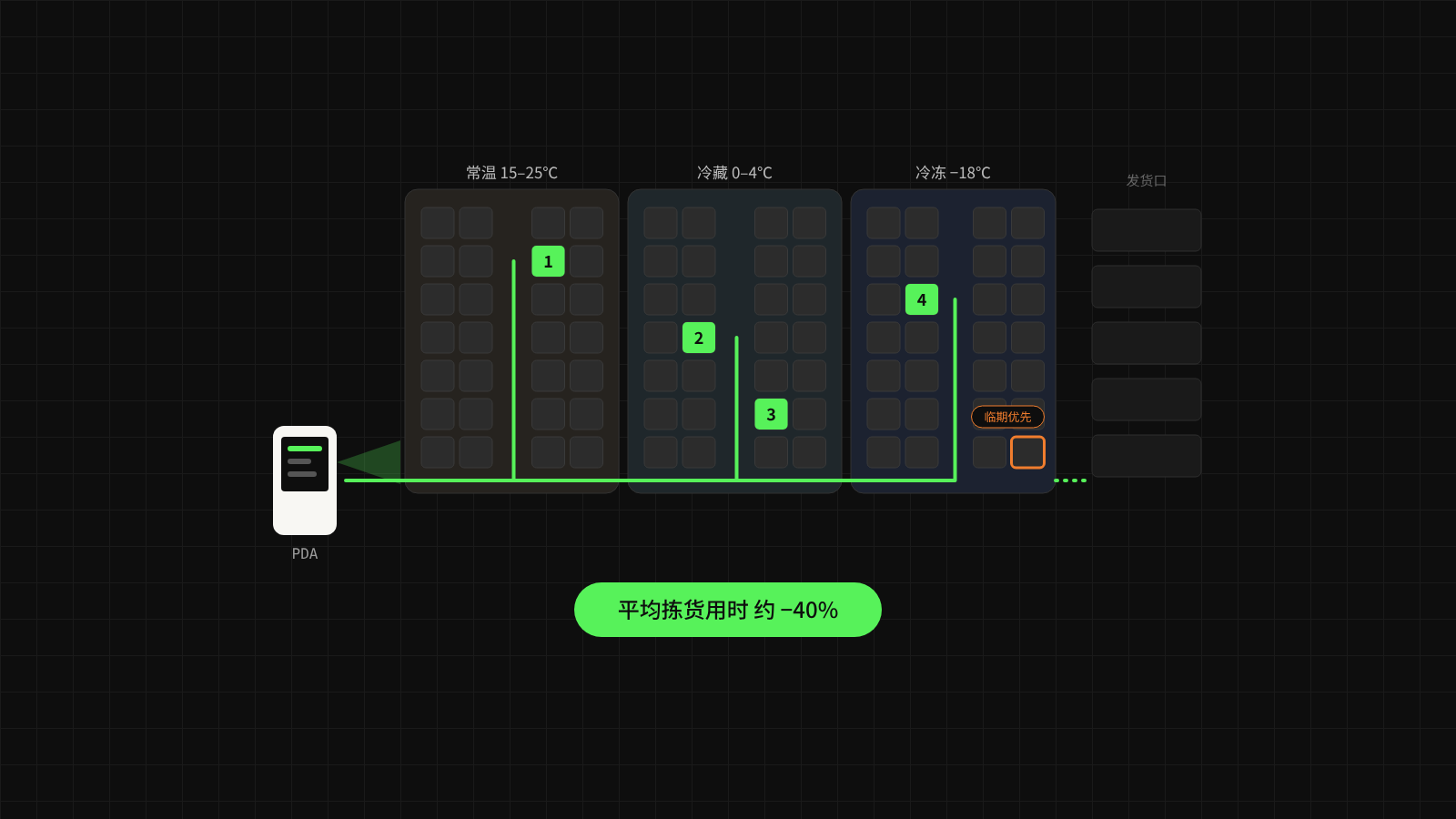
Three-Temperature Inventory Tracked to the Bin, Average Picking Time Down About 40%
A wholesaler of ambient, chilled and frozen food tracked inventory down to bin location and batch, used PDAs for receiving, replenishment and picking, and dispatched stock on a first-expired, first-out basis. Average picking time fell by about 40%, and the value of stock nearing expiry dropped significantly.
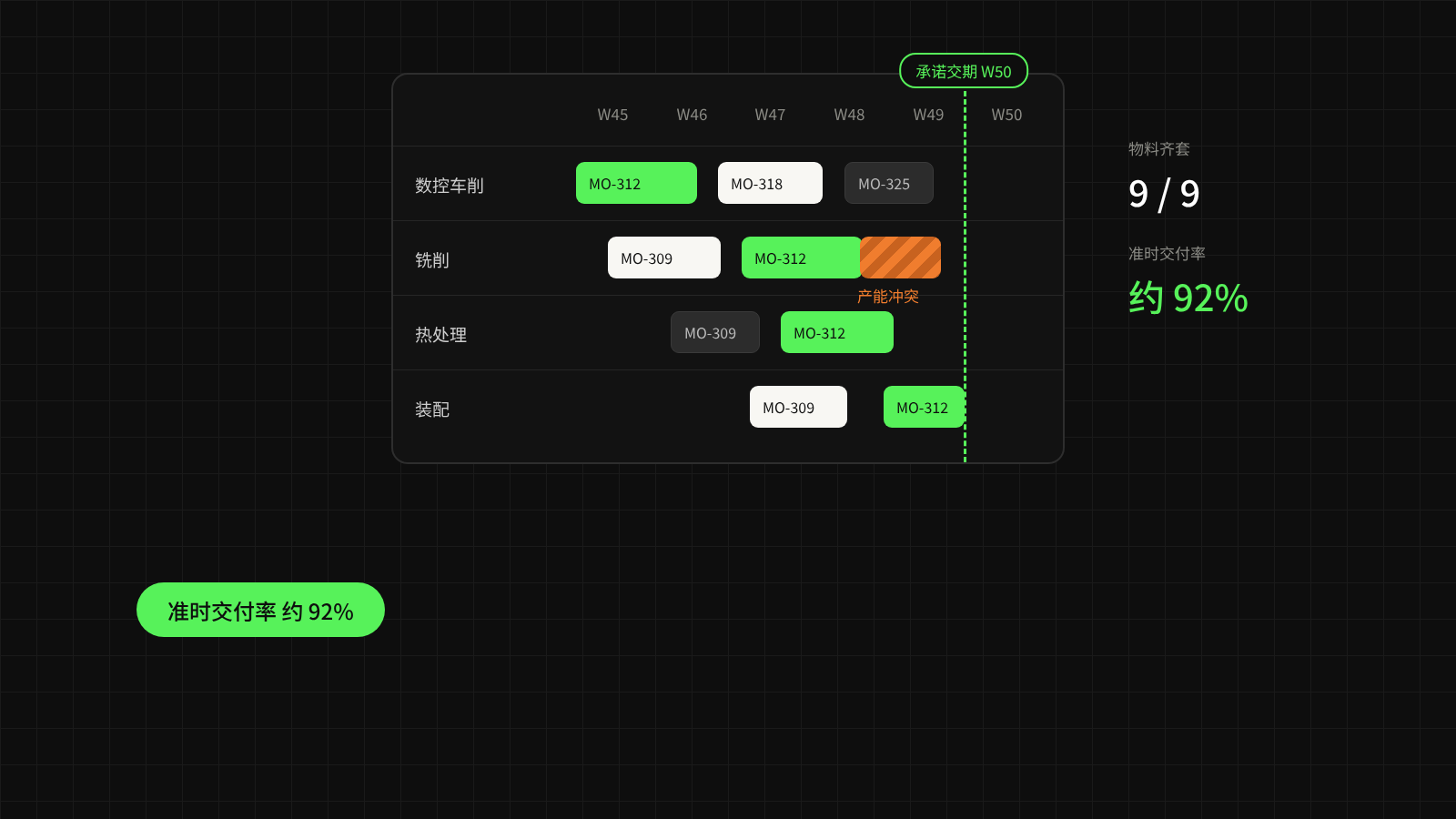
Sales Orders Drive the Production Plan Directly, Lifting On-Time Delivery to About 92%
A high-mix, low-volume machining company let sales orders drive material requirements and capacity checks directly, with shop-floor terminals reporting progress in real time. Delivery promises are now grounded in data, on-time delivery rose from about 75% to about 92%, and stoppages due to material shortages fell markedly.